
YESNDT / KNOWLEDGE & RESOURCES

Resources

Explore learning materials for radiographic testing, image interpretation basics, everyday film handling and care of related equipment.

Explore knowledge modules

Inspector examining an industrial radiograph on a viewing light01

Training & Skills

Build practical understanding of radiographic testing workflows, film handling and image-quality checks.

Illustrative photograph: Photo by CEphoto, Uwe Aranas · CC BY-SA 3.0. Resized only.

Article themes

  • Radiographic testing workflow
  • Film handling and darkroom basics
  • Image-quality checks before interpretation

NDT technician examining a steel weld specimen and radiographic image in a materials testing lab02

Defect Awareness

Learn how common discontinuities may appear in radiographic images, and why an indication alone does not determine acceptance.

Article themes

  • Porosity, slag inclusions and other indications
  • Cracks and lack of fusion: image examples
  • What an indication can and cannot tell you
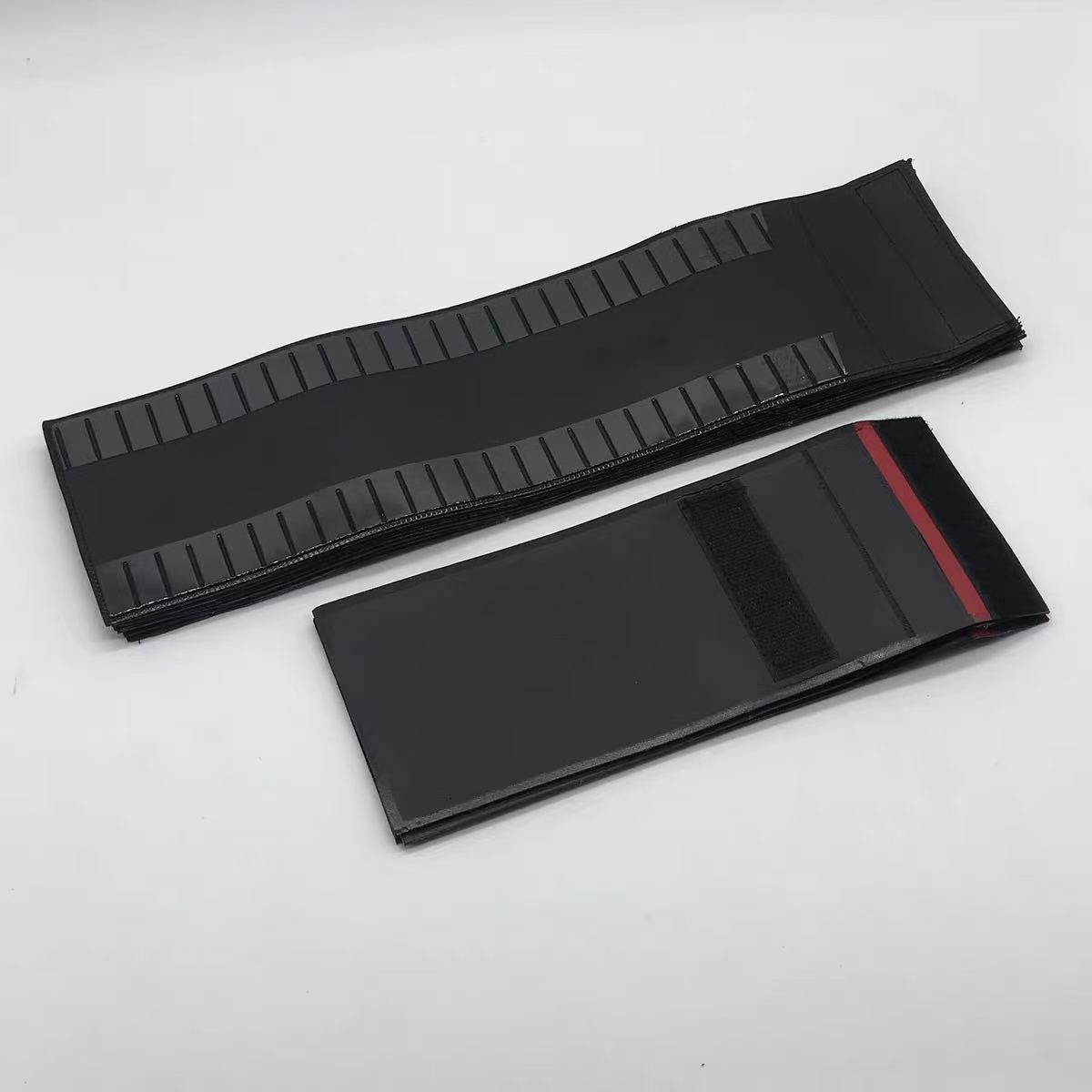
Photograph of black light-tight bags used with radiographic film03

Everyday Use Tips

Practical routines for handling, storing and using radiographic film and related consumables.

Article themes

  • Film handling and storage checklist
  • Planning film sizes and quantities
  • Reducing handling marks during processing
Technician carrying out preventive maintenance on NDT film processing equipment04

Maintenance

Care and inspection routines for processors, darkrooms, cassettes, screens and accessories.

Article themes

  • Routine care for film processors
  • Darkroom cleanliness and safe-light checks
  • Inspecting cassettes and intensifying screens

Standards and product references

Start with the applicable inspection procedure, then use official sources and product information to confirm the requirements.

Film and consumable selection checklist

Photograph of black light-tight bags used with radiographic film

Use this guide to prepare an inquiry for industrial radiographic film and related NDT consumables. Clear product requirements make it easier to compare suitable options and documentation.

Film grade and product reference

Include the required manufacturer and model, film classification or reference product where known. A matching size alone does not establish equivalent imaging performance; selection should follow your approved inspection requirements.

Sheet size and packaging

Give the width and length with units, the quantity of sheets or rolls, and whether you need bare film or a specified packaged format. For film holders and light-tight bags, include the usable internal dimensions and closure requirements.

Processing and accessory compatibility

Tell us whether processing is manual or automatic and identify any specified compatible products. For lead screens, state the required material, thickness and dimensions. These details should come from your inspection procedure or technical specification.

Documents to request

Ask for the current manufacturer datasheet, handling and storage information, packaging details and applicable batch documentation for the quoted product. Confirm shelf-life and transport requirements before ordering.

A note on technical decisions

These learning topics are general information. They do not replace the current project specification, applicable standard, approved procedure or the judgement of qualified inspection personnel.

Need help identifying a product or reference?

Send your inspection method, material, film requirements and destination. We can review the request and confirm relevant product information.

Send an inquiry →